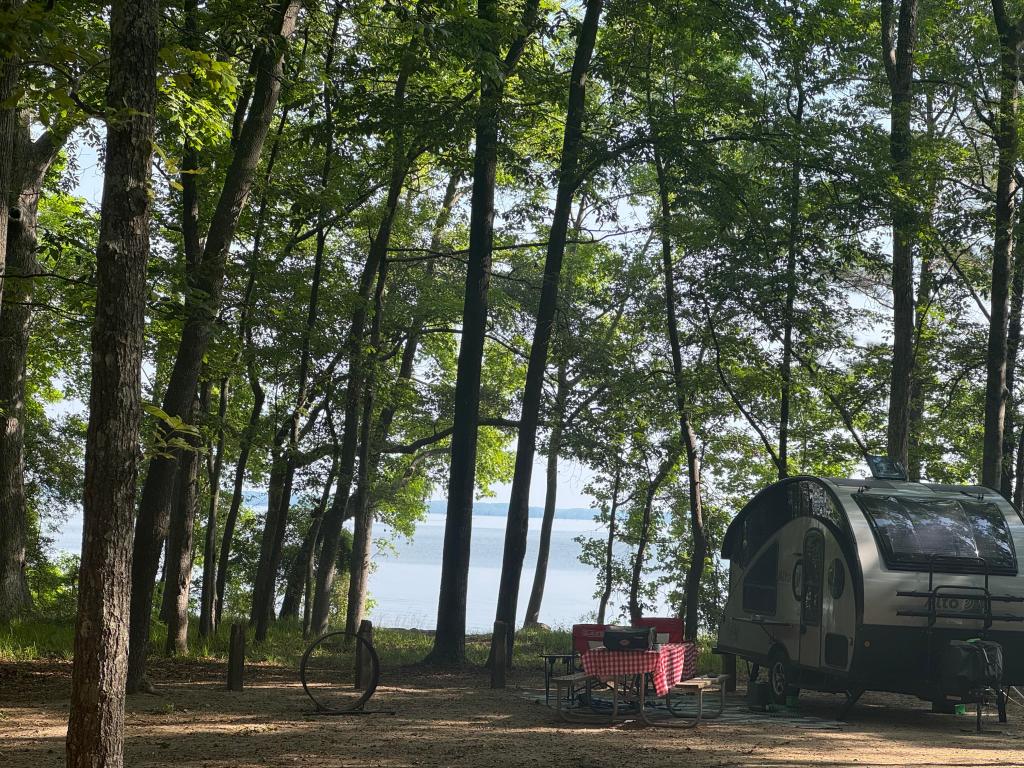
We camped right on the shore of Lake Marion in Santee State Park, Santee, South Carolina. The park is absolutely beautiful, and very quiet. Most of our surrounding neighbors were drawn to the lake for its great fishing. We chose the spot because of its proximity to both Congaree National Park and Charleston.
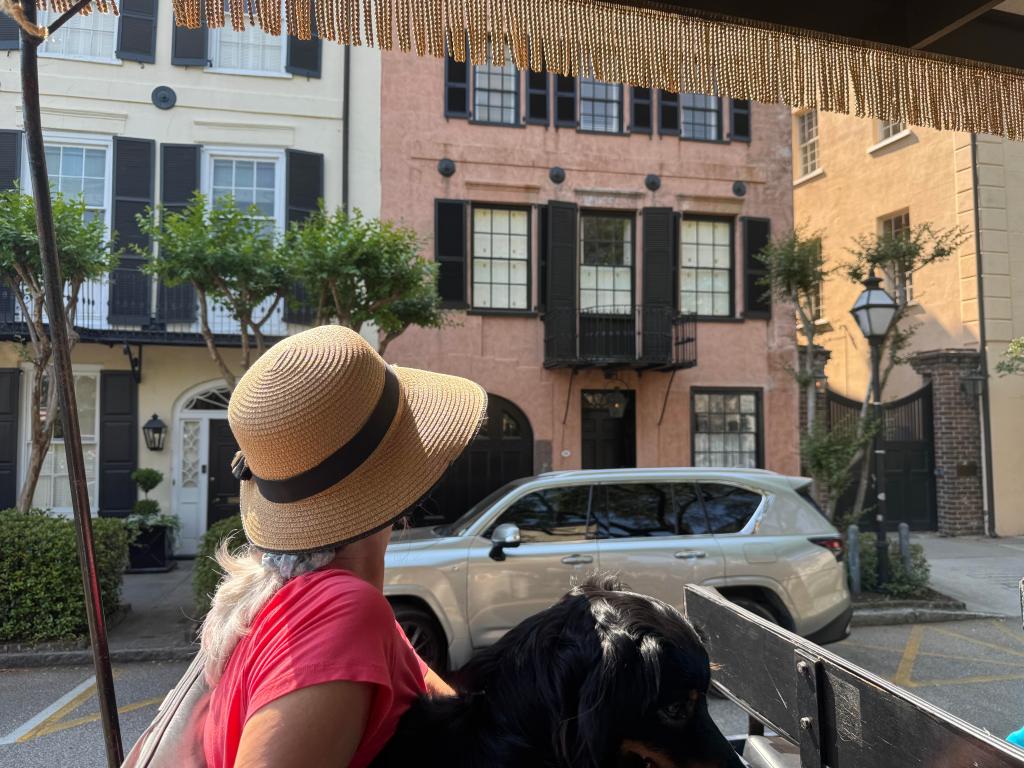
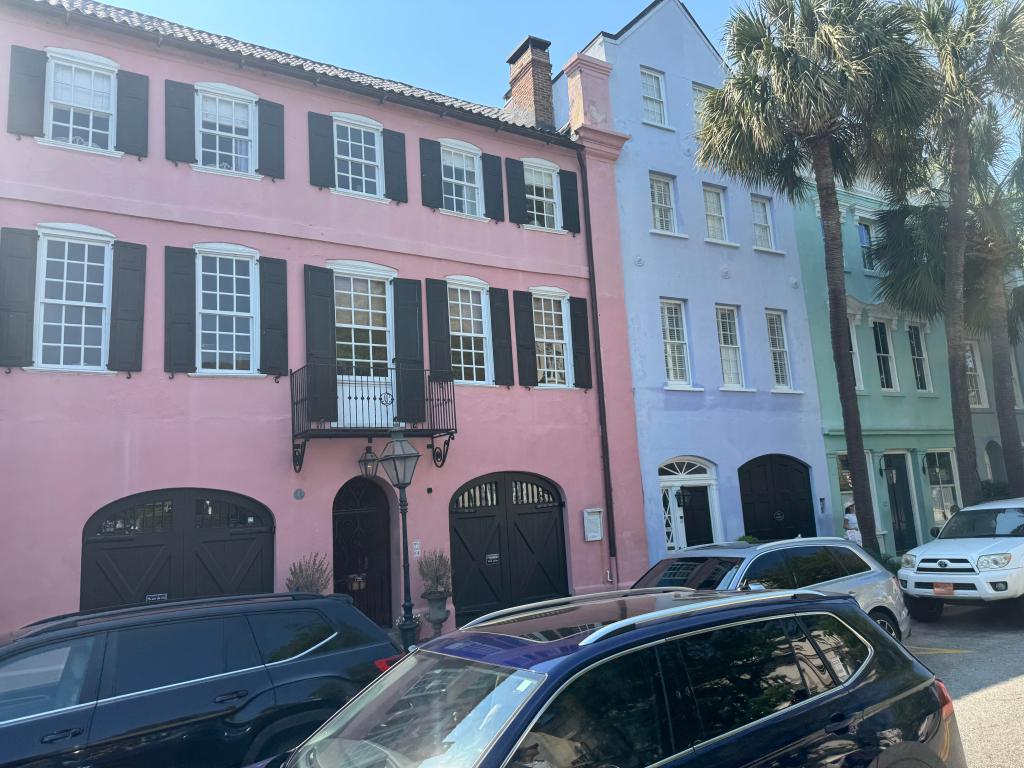
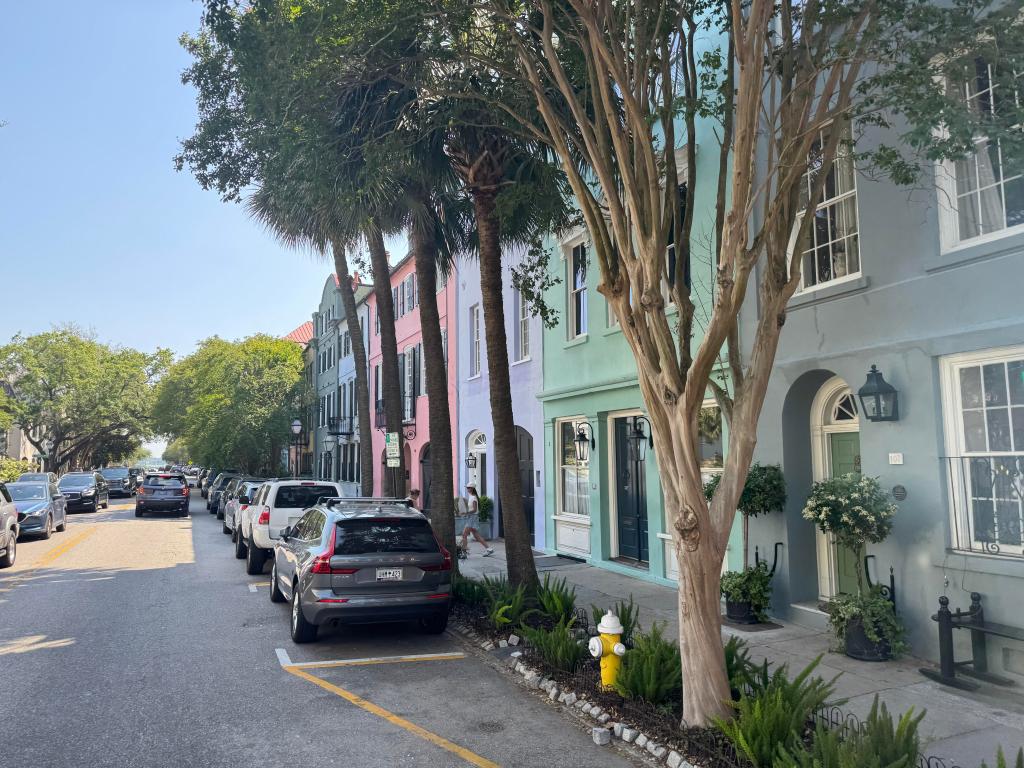
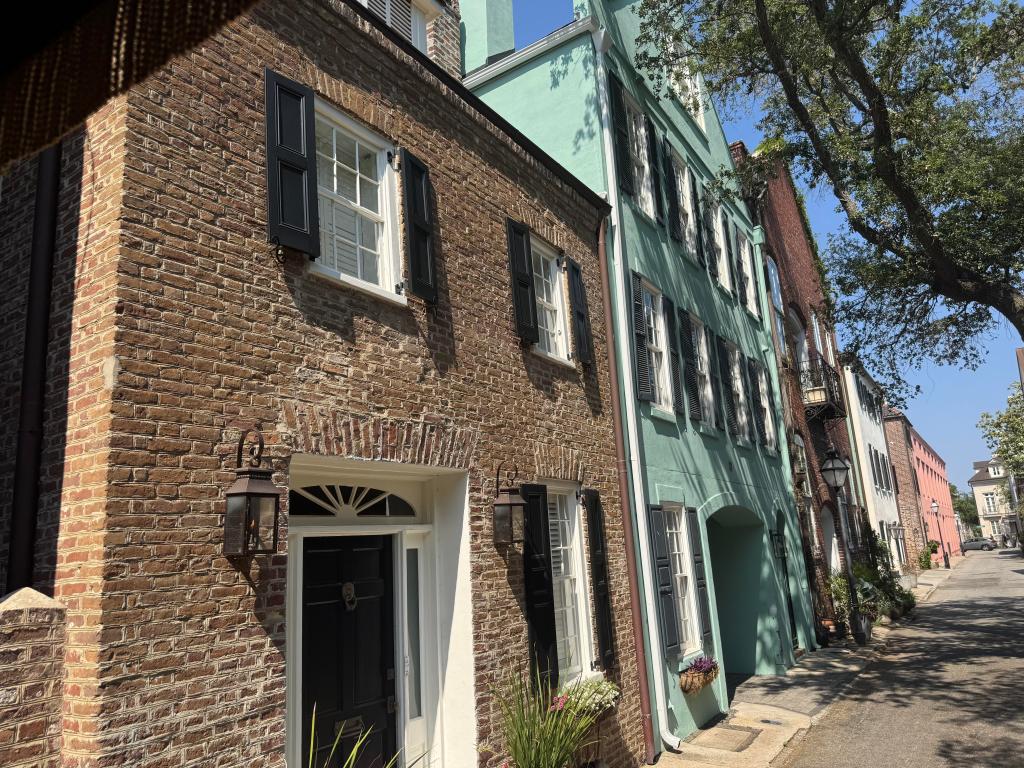
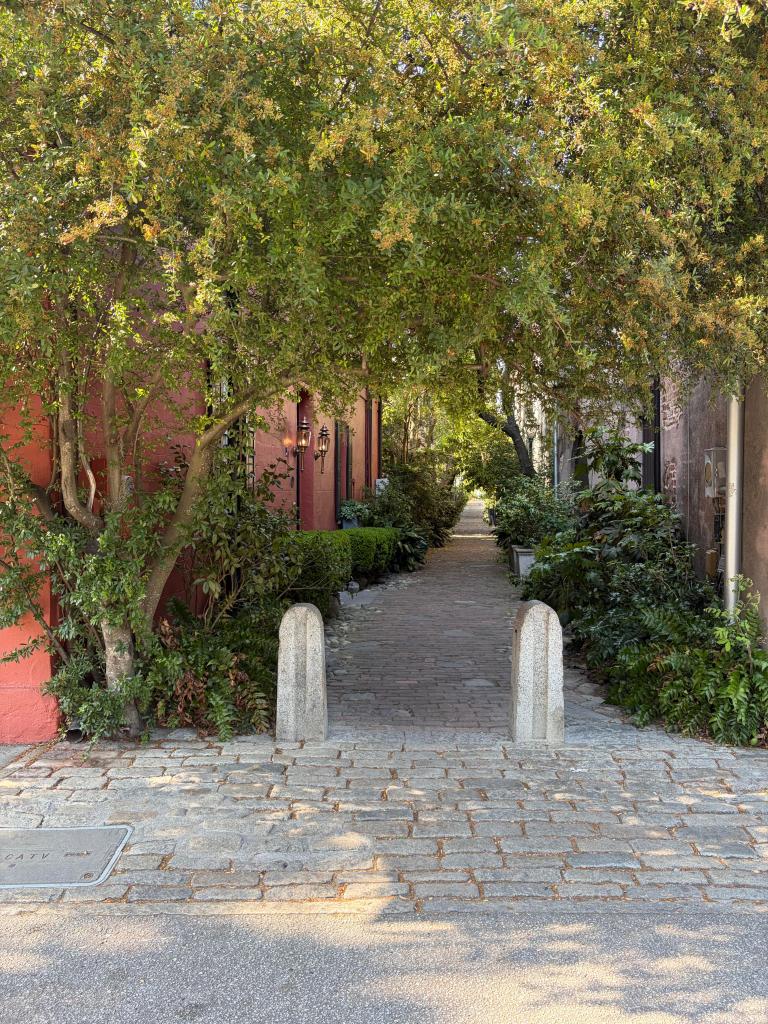
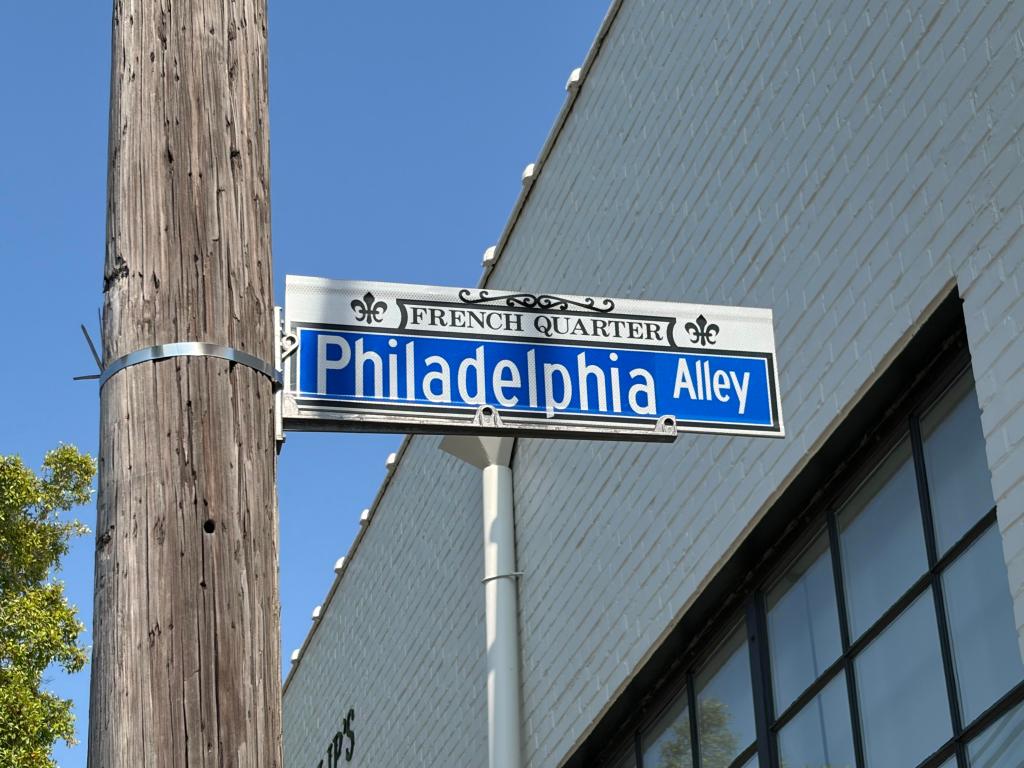
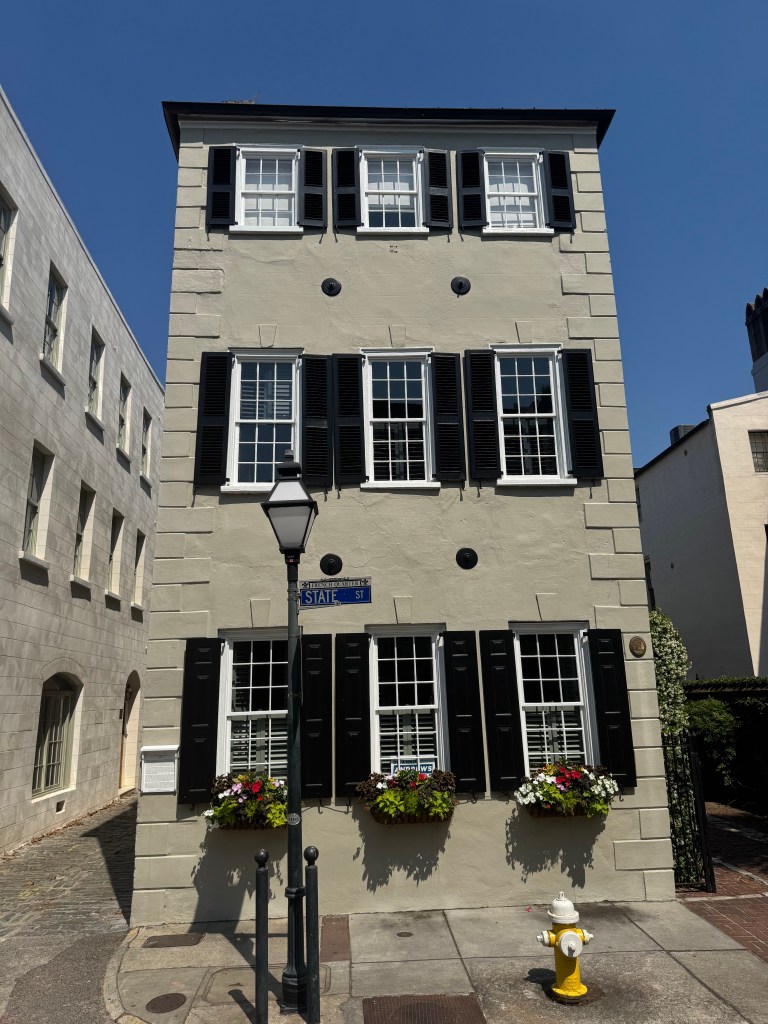
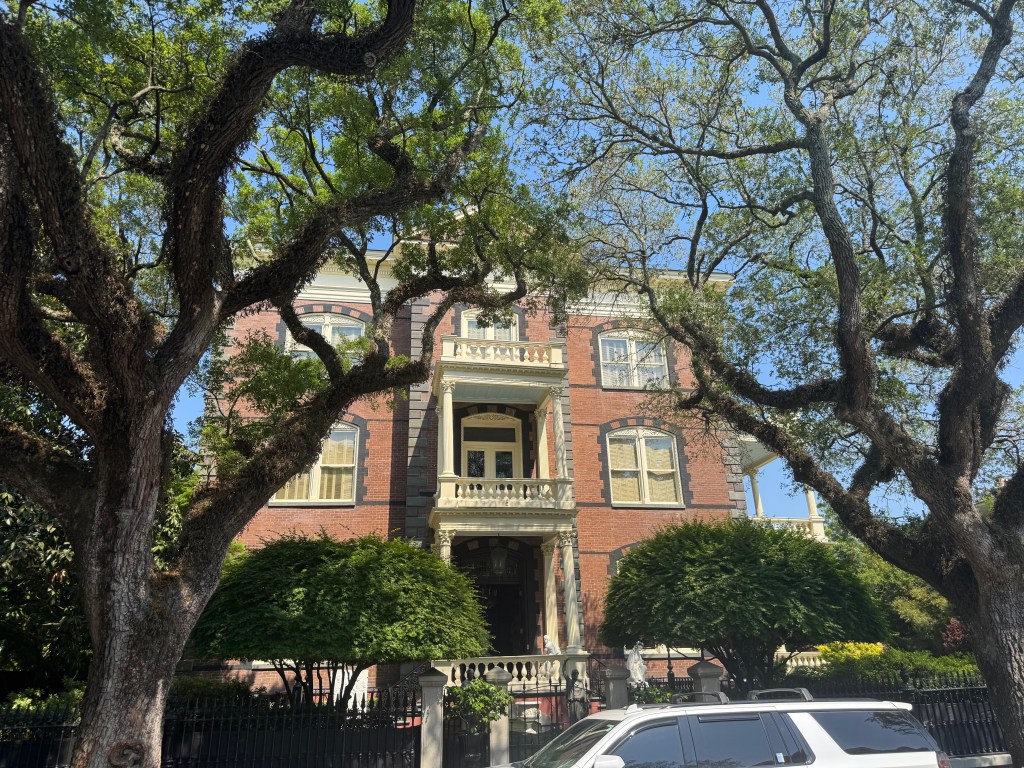
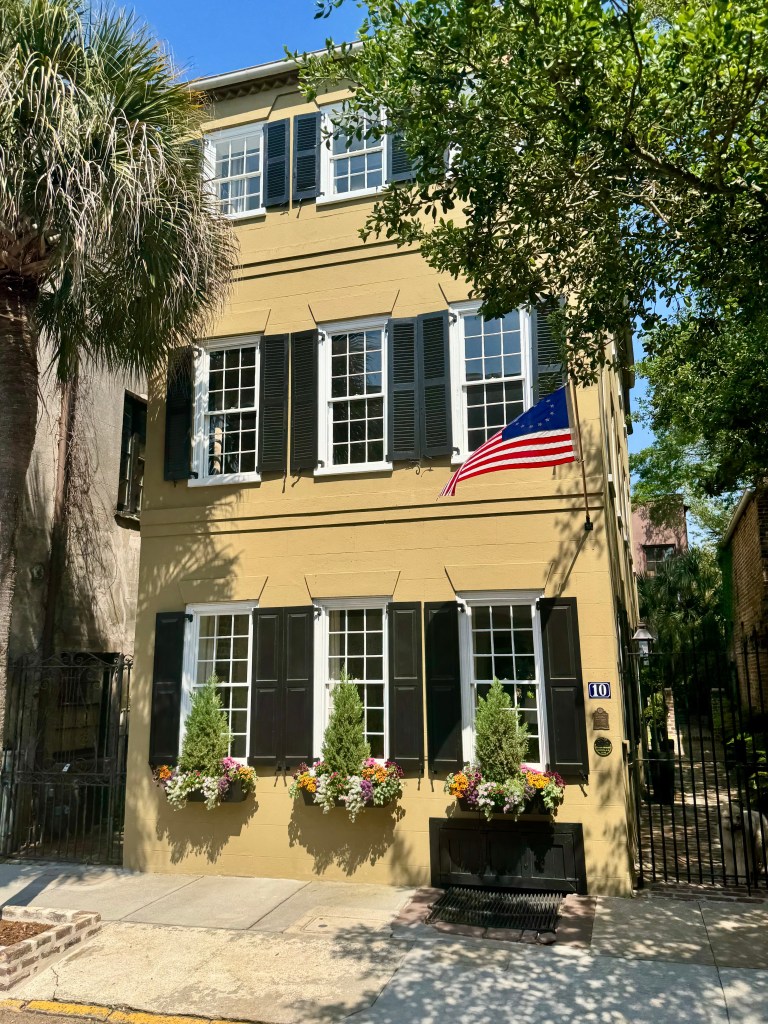
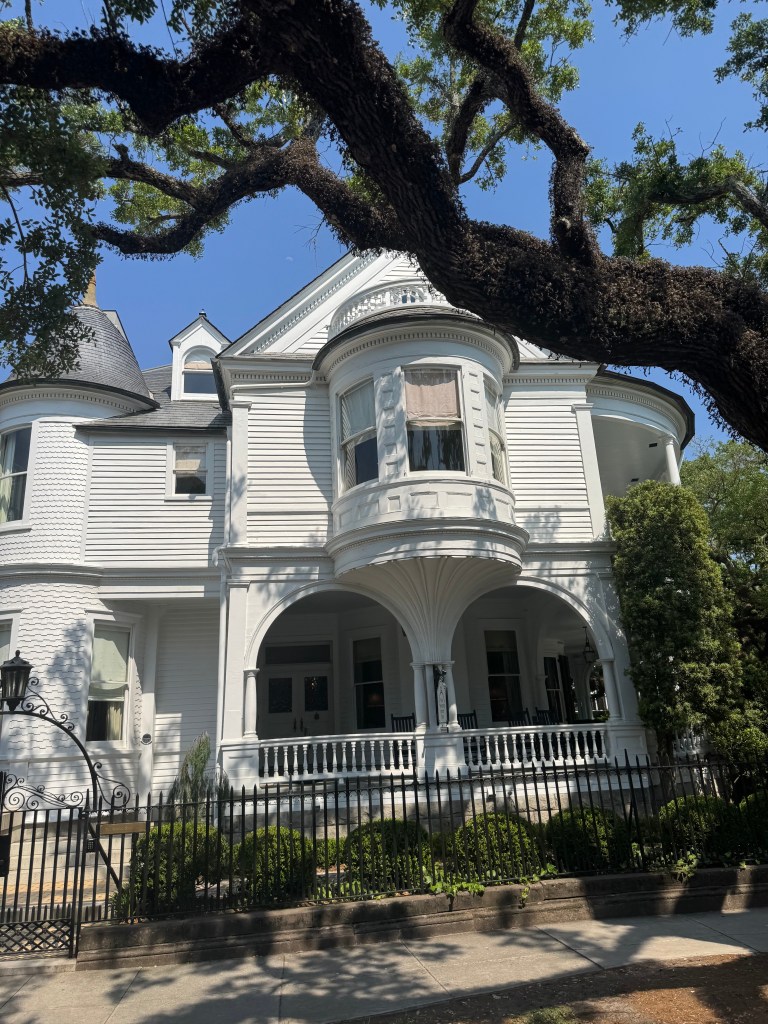
We spent a day touring Charleston and enjoying its waterfront ambiance. The coastal town looked like a perfect postcard. We took a carriage ride around the historical area, which was a great way to see the highlights.
We also toured Boone Hall Plantation, and learned about the horrific conditions the enslaved endured. The beautiful grounds are impressive, but shadowed by the untold stories of all the lost souls who were forced to toil there.
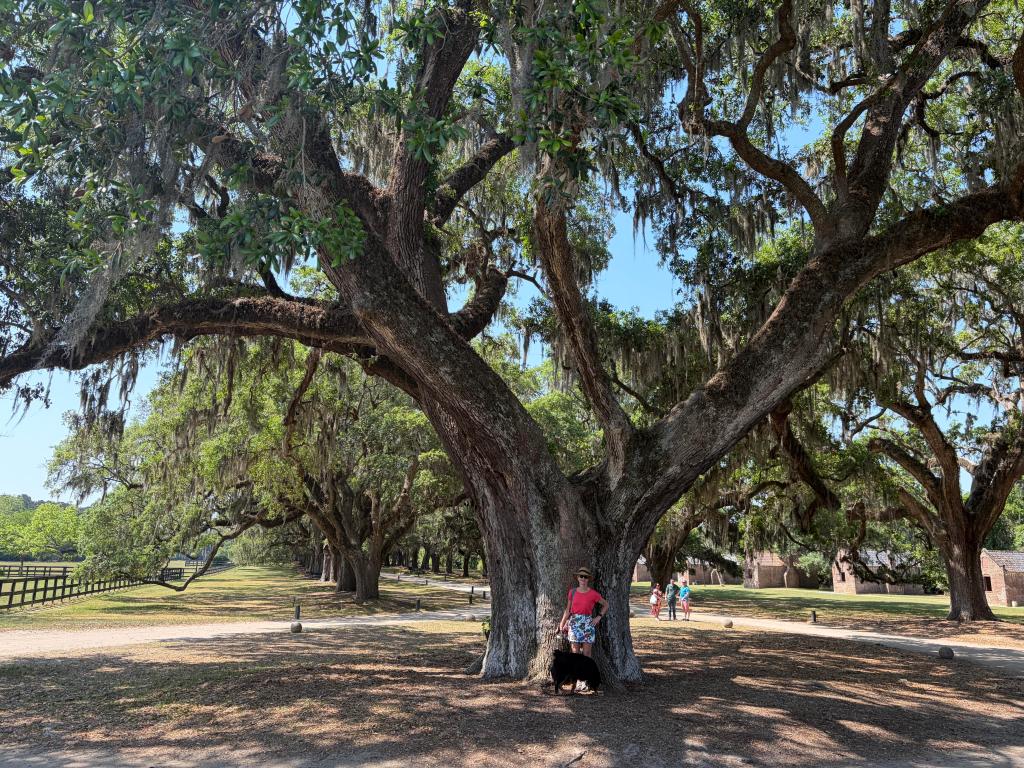
The tour guides did a good job describing the impact of slavery on the area. Many houses in downtown Charleston were built using bricks made by enslaved workers at the Boone Hall plantation. By 1850, over 4 million bricks were hand made by enslaved laborers each year. Some of the fingerprints of the workers can still be seen in the bricks.
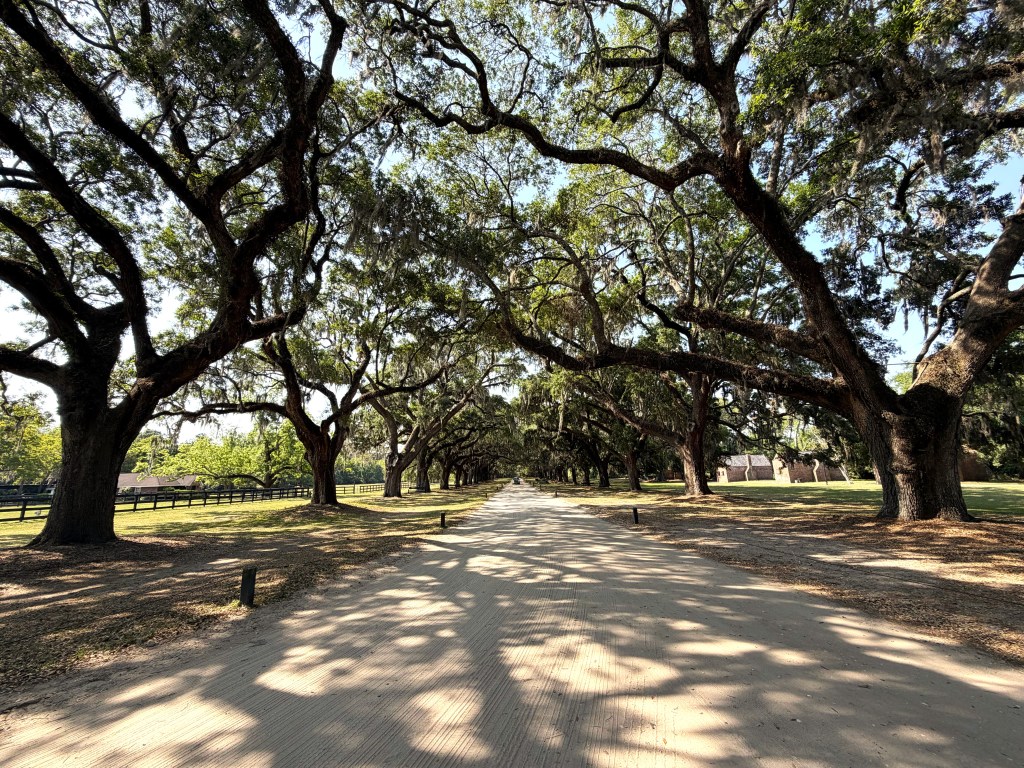
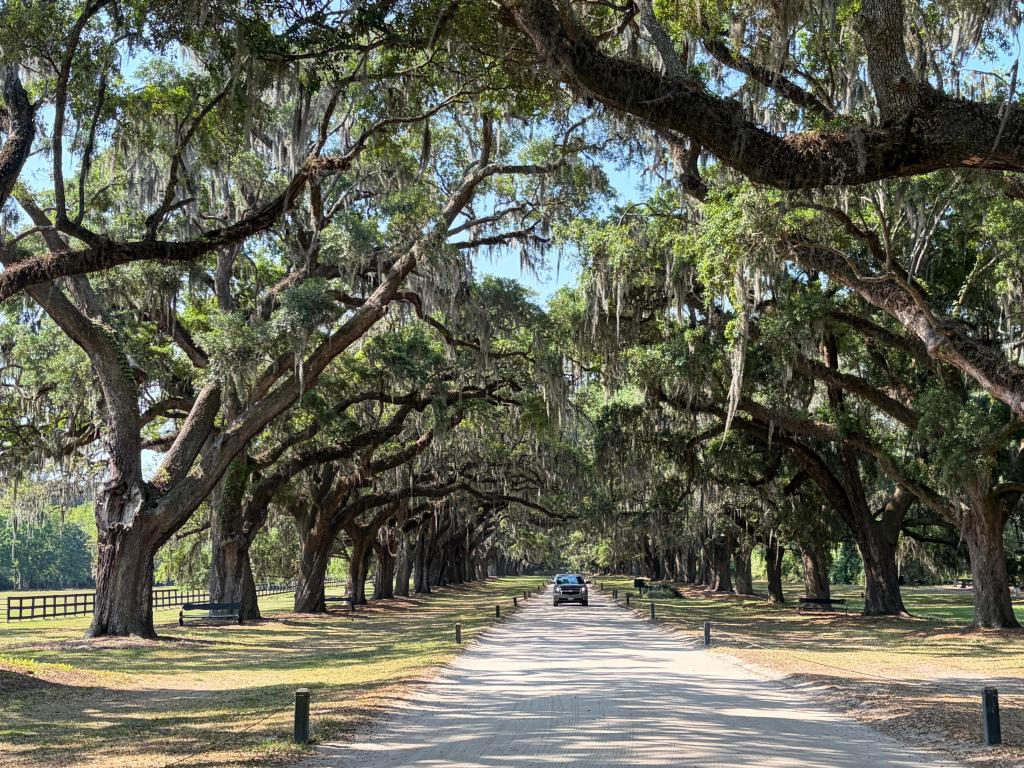
Enslaved laborers also planted the famous “Avenue of the Oaks” which leads up to the house. 88 of these statuesque live oaks were planted in 1843, and 86 of the trees are still living. The Spanish moss hanging from the live oaks was native to Central and South America. It is thought to have been carried to the U.S. on ships as packing material, where it has become symbolic of the Old South.
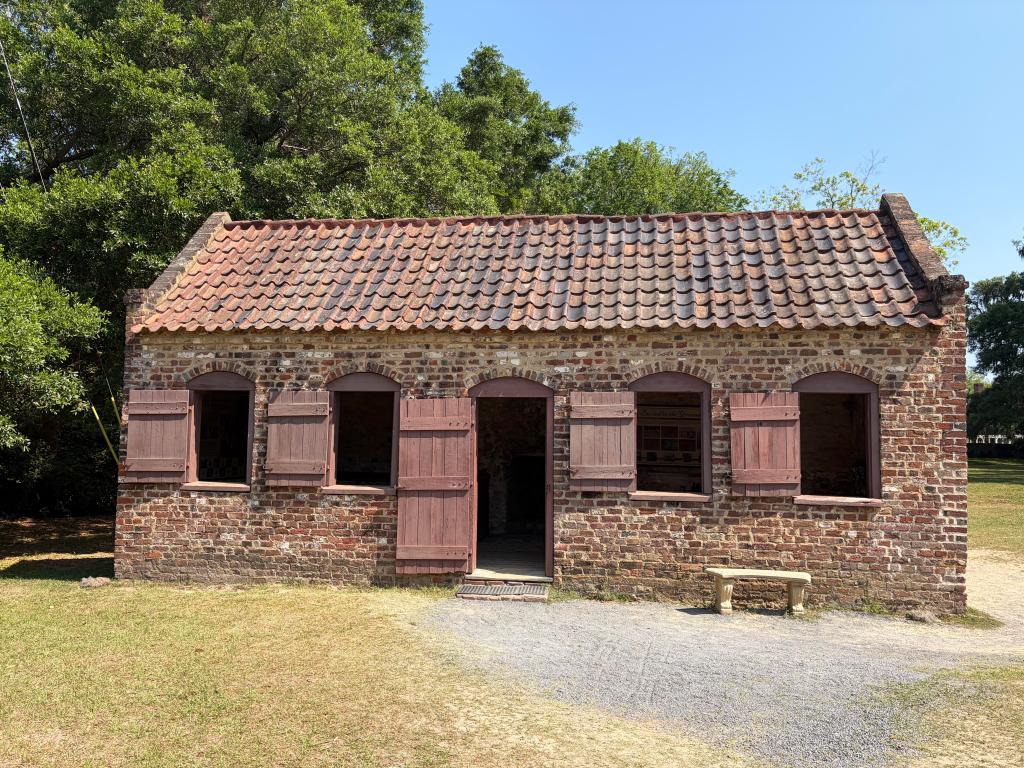
The cabins for the enslaved workers were grim and tiny. Up to 15 or more individuals were forced to sleep inside these “brick ovens.” It is so tough to imagine enduring the heat, bugs, backbreaking labor, lack of water and nutrition; not to mention the violence, abuse, and forced separation from family that the enslaved workers suffered while living here.

 Our Snail Tracks
Leave a Reply to Dave W Cancel reply